How to Choose Generator Fuel Type
Gasoline, propane, diesel, or dual-fuel — compare runtime, storage, and availability.
Read the guide →Find the right generator wattage to keep your essential appliances running during power outages.
Enter how many of each appliance you want to run. Results update automatically.
As an Amazon Associate we earn from purchases. Common tools and products relevant to this project.
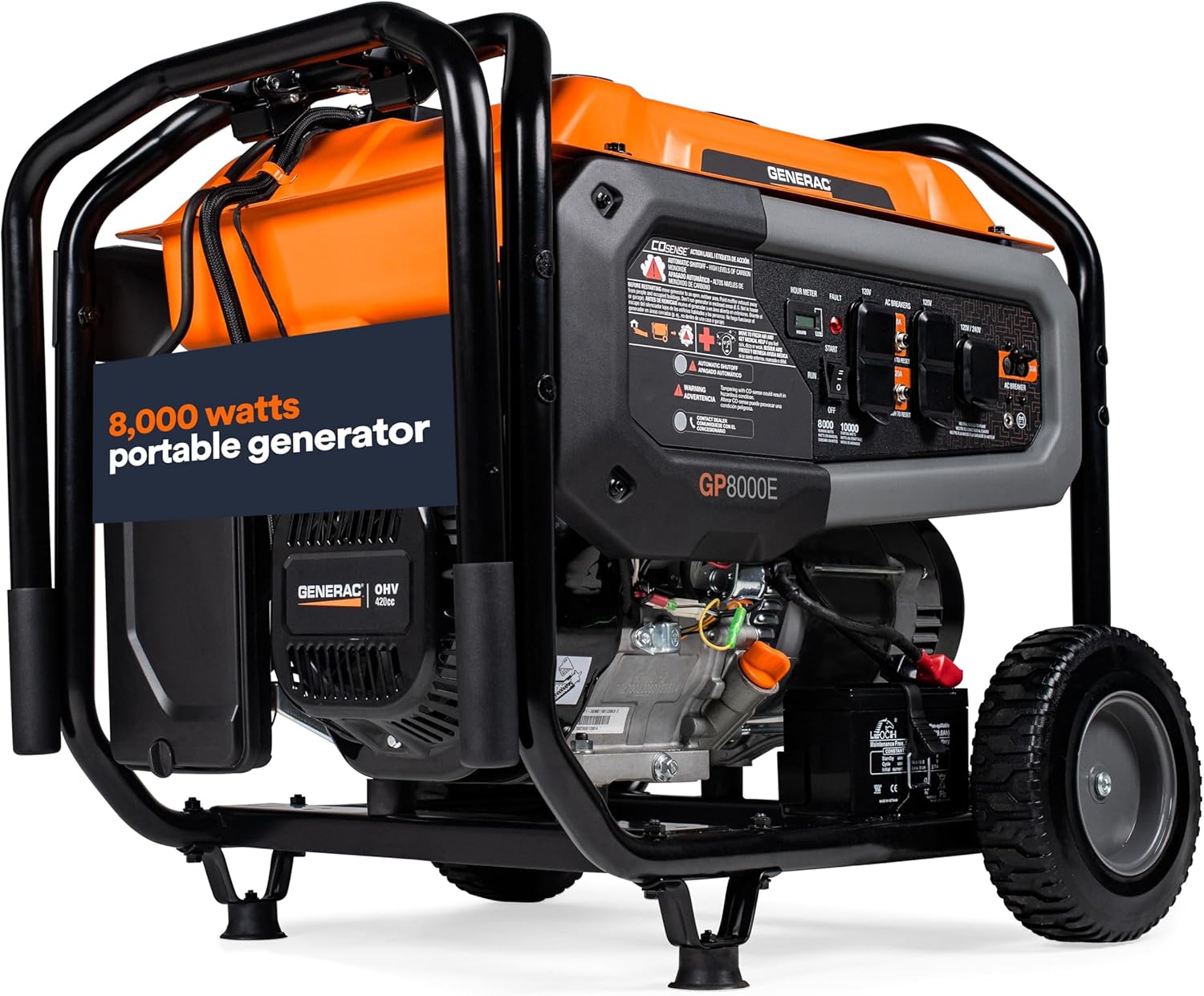
This generator sizing calculator estimates the minimum generator wattage you need based on the appliances you want to run during a power outage.
How it works:
Example: Running a refrigerator (700W), furnace fan (800W), and a few lights (300W) totals ~1,800 running watts. A well pump adds 1,000 running (plus a ~2,000W startup surge). Running total: 2,800W. Largest surge: ~2,000W. Estimated peak: 4,800W + 10% safety margin → you need at least a 5,000W generator. See our generator fuel types guide for fuel consumption estimates at different load levels.
Gasoline, propane, diesel, or dual-fuel — compare runtime, storage, and availability.
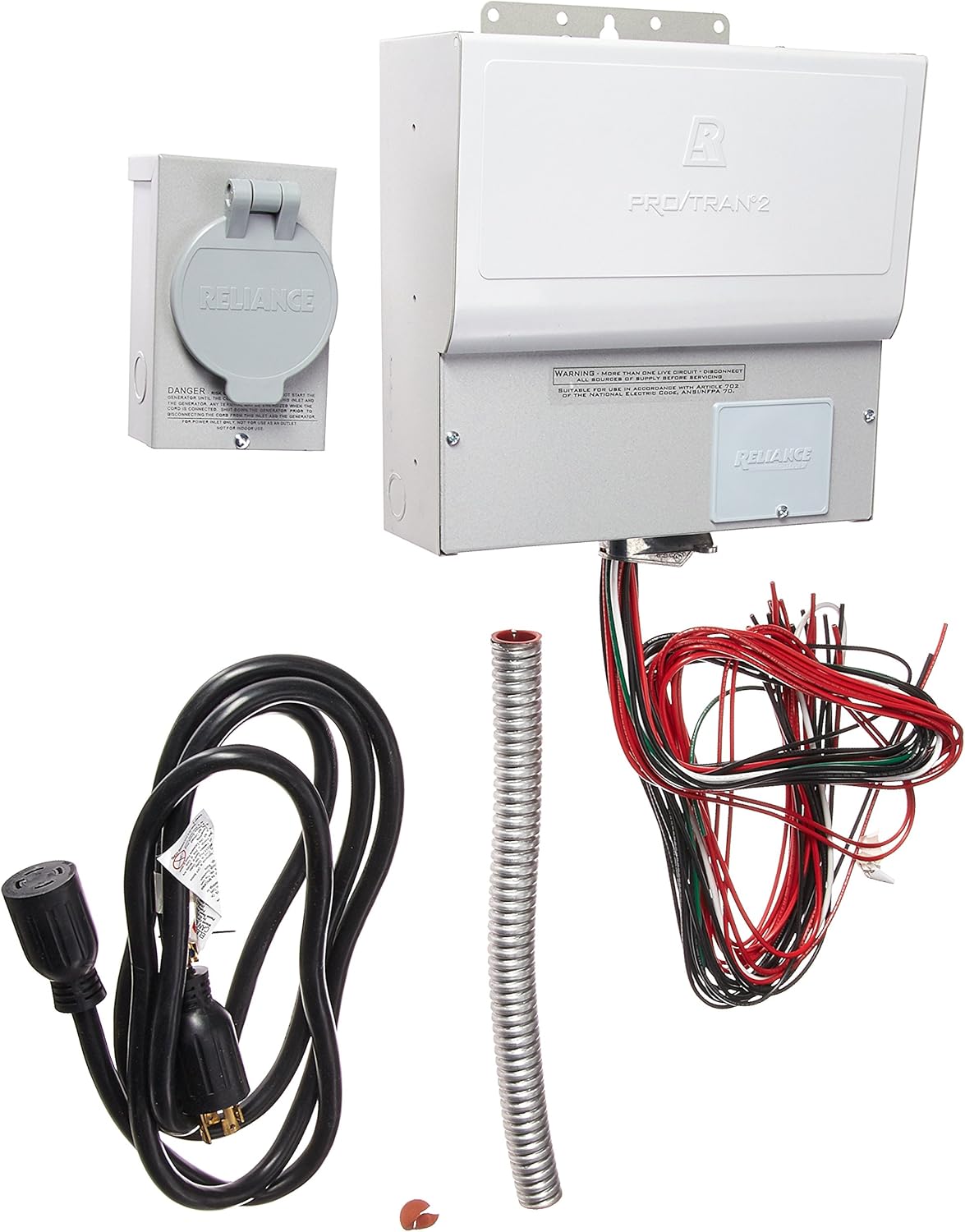
Read the guide →Compare costs, installation, and code requirements for home generator hookup.
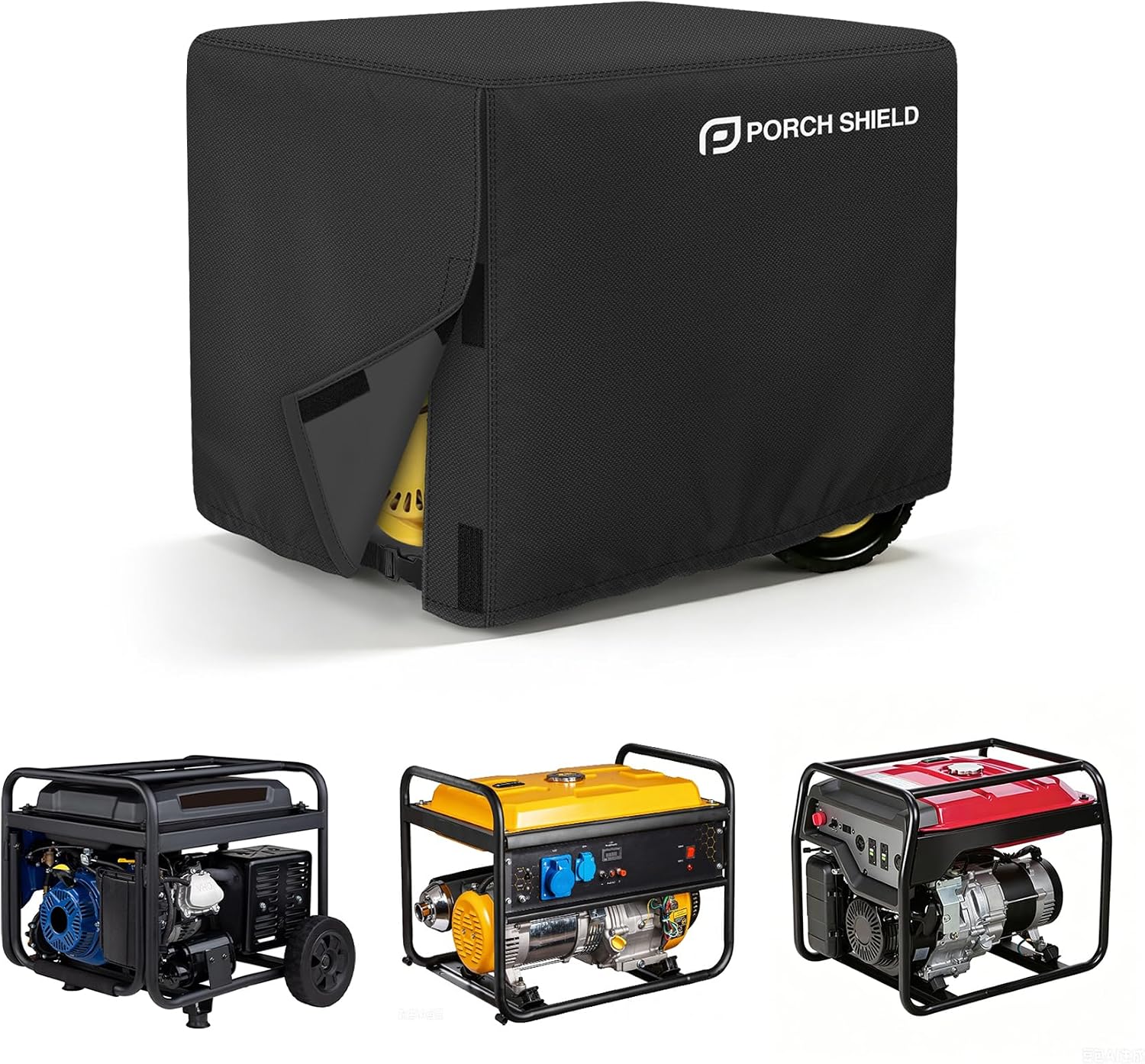
Compare options →Seasonal maintenance tasks that keep your generator ready for the next outage.
View checklist →⚠ Important safety warning: Portable generators must be operated outdoors only — at least 20 feet from any building, with the exhaust directed away from doors, windows, and vents. Never operate a generator inside a home, garage, shed, basement, crawlspace, or partially enclosed area — even with ventilation. Carbon monoxide from generator exhaust is odorless and can be fatal within minutes. Use a working CO alarm in your home whenever a generator is running nearby.